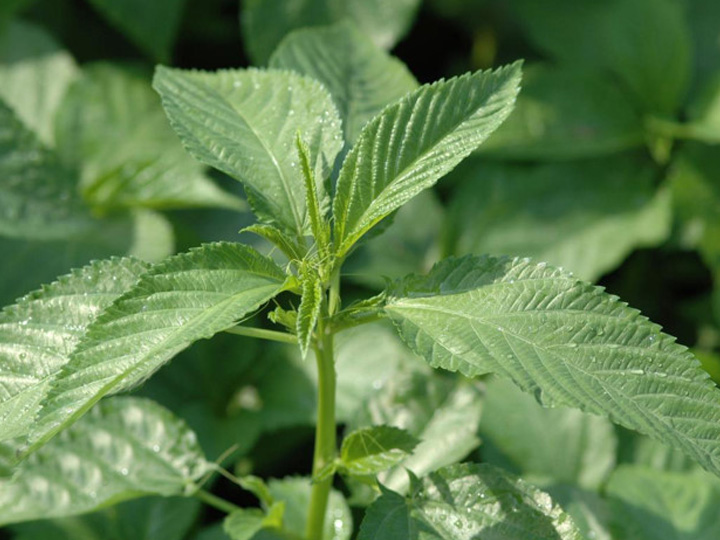
Jute mallow or Jew's mallow (Saluyot In Tagalog)
The Green Wonder – Saluyot (Jute Mallow) and Why It Deserves a Spot on Your Plate
Published on: June 21, 2025
By: Edge Vibes
🌿 What is Saluyot?
If you’ve ever passed by a rural backyard or visited a traditional market in the Philippines, you’ve likely seen bundles of saluyot — a leafy green often underestimated in value but rich in health potential. Known internationally as Jute Mallow or Jew’s Mallow, this vegetable is native to tropical Asia and Africa and is deeply rooted in Filipino cuisine.
Saluyot is recognized for its slippery or mucilaginous texture when cooked, much like okra. But beyond its distinct feel, this green holds centuries of traditional use, both as food and folk medicine.
💡 Cultural Background
Saluyot isn’t just food — it’s part of our Filipino identity. In Ilocos, it’s a main ingredient in dinengdeng or inabraw, often paired with grilled fish. In Visayas and Mindanao, it finds its way into utan bisaya and other veggie-based soups. Other countries also love it: in Egypt, they call it Molokhia, and it’s served as a royal dish.
💪 Health Benefits That Deserve Attention
- High Dietary Fiber – Improves digestion, supports gut health, and aids in weight management
- Rich in Beta-Carotene & Vitamin A – Helps maintain eye health and youthful skin
- Vitamin C Powerhouse – Strengthens the immune system and promotes collagen production
- Antioxidant-Rich – Fights free radicals and supports healthy aging
- Loaded with Iron & Calcium – Supports strong bones and prevents fatigue
- Natural Anti-Inflammatory – Reduces swelling and supports joint and heart health
- Cholesterol-Lowering Effects – Especially when eaten regularly with a balanced diet
Its slimy texture? That’s actually good for your body — it acts as a gentle internal cleanser and soothes the stomach lining.
🍲 How to Cook and Enjoy Saluyot
🔸 Traditional Filipino Style
- Dinengdeng or Inabraw – with bagoong, squash, and grilled fish
- Utan Bisaya – light soup with moringa, okra, and saluyot
- Ginisang Saluyot – sautéed with garlic, onions, and tomatoes
- Pinangat or Sinigang – adds a unique slimy texture to sour broths
🔸 Modern and Creative Ways
- Add to smoothies (just blanch before blending)
- Mix in omelets or pancakes with other greens
- Dry and grind as tea or herbal powder
- Pair with quinoa or brown rice for a healthy bowl
🌱 Why I Personally Recommend Saluyot
Growing up, I didn’t think much of saluyot. It was just “one of those gulay sa probinsya.” But as I grew older and more health-conscious, I realized its value. Eating saluyot regularly makes me feel lighter, energized, and more connected to natural living.
It’s not just food — it’s functional nutrition that supports our body’s healing, while also preserving local culture and sustainable farming.
🌍 Environmental Impact & Sustainability
Did you know that saluyot is one of the easiest vegetables to grow? It thrives in warm, humid climates, doesn’t need pesticides, and grows quickly — making it perfect for urban gardening or backyard farming.
Choosing saluyot means:
- Supporting local farmers
- Reducing dependence on imported greens
- Promoting food security in local communities
✨ Final Vibe
In a world full of superfood hype, saluyot stands tall — quietly doing the work without the flashy marketing. It’s time we bring it back to our plates, not just as a side dish, but as a hero of health and heritage.
Let’s honor the wisdom of our elders by embracing this vegetable and sharing its story with the next generation.
💬 Let’s Talk in the Comments
Tried saluyot lately? Got a unique way of cooking it? Share your recipe or your #SaluyotStory — I’d love to feature your dish in the next Edge Vibes post.
Comments
Post a Comment